


Dental Bonding Near You
A small chip, a narrow gap, a worn edge, or an uneven tooth shape can affect how you feel about your smile. Dental bonding offers a conservative way to improve minor cosmetic concerns without extensive treatment. At Township Dental, we provide dental bonding in Langley using tooth-coloured composite resin shaped to blend with surrounding teeth.
If you are looking for dental bonding near you, we will examine the tooth, discuss your goals, and explain whether bonding is appropriate.
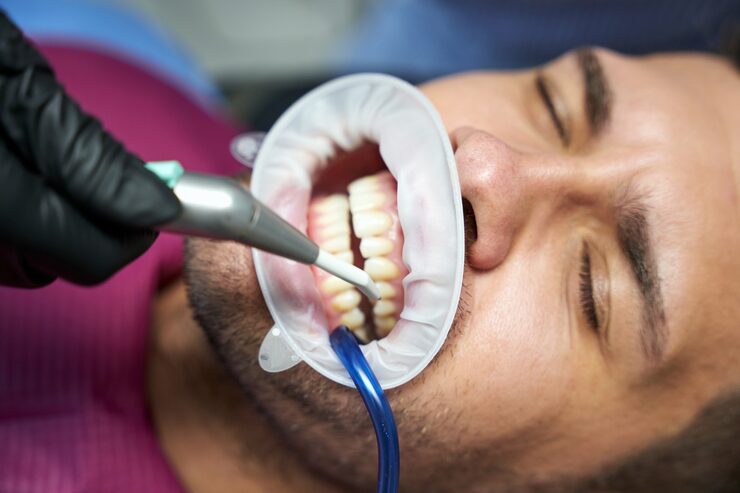
What Is Dental Bonding?
Dental bonding uses tooth-coloured composite resin to improve the visible shape, size, colour, or contour of a tooth. The resin is matched to nearby enamel, applied to the tooth, shaped, and hardened with a curing light. The dentist then adjusts and polishes it for a smooth finish.
Bonding can often be completed in one appointment and usually requires less preparation than veneers or crowns. Local anaesthetic may not be needed unless the procedure treats decay or the tooth is sensitive. If you are considering bonding, visit our dentist in Langley for an examination and personalized recommendations.
What Are the Benefits of Dental Bonding?
- Natural-looking results: The resin is selected to resemble surrounding teeth.
- Minimal tooth preparation: Little or no healthy enamel may need to be removed.
- Single-visit care: Many procedures can be completed in one appointment.
- Improved tooth shape: Bonding can rebuild small chips, worn edges, or irregular contours.
- Reduced appearance of gaps: Composite resin may help close narrow spaces between selected teeth.
If you are looking for a dentist near you for dental bonding, we will explain the expected result, limitations, and maintenance needs.
When Might You Need Dental Bonding?
Dental bonding may be considered for:
- Small chips: A limited area of enamel has broken away.
- Narrow gaps: Small spaces affect the balance of the smile.
- Uneven contours: A tooth appears shorter, narrower, or differently shaped.
- Worn edges: Grinding, clenching, or normal wear has changed the tooth’s outline.
- Mild discolouration: A localized area does not respond well to whitening.
Bonding works best for limited repairs and cosmetic adjustments. It may not provide enough strength for a tooth with a large fracture, extensive decay, heavy bite pressure, or significant structural loss. Another restorative option may be more suitable in those cases.
What to Expect During the Dental Bonding Process
When providing dental bonding in Langley, we usually follow these steps:
- Examining the tooth: We check the enamel, bite, gums, and treatment area.
- Selecting the shade: We choose a composite colour that matches nearby teeth.
- Preparing the surface: The tooth is conditioned so the resin can bond securely.
- Applying the material: Composite resin is placed and shaped.
- Hardening the resin: A curing light sets the material.
- Adjusting and polishing: We check your bite and smooth the bonded area.
Many appointments can be completed in one visit. If you need dental bonding near you, we explain each stage and check your comfort.
Why Choose Township Dental for Dental Bonding?
At Township Dental, we offer dental bonding based on your oral health and cosmetic goals.
When you choose our team for dental bonding in Langley, you can expect:
- Careful assessments: We examine the tooth before recommending bonding.
- Personalised planning: The resin is selected for your smile.
- Clear explanations: We discuss what treatment can and cannot achieve.
- Conservative care: We aim to preserve healthy enamel whenever possible.
Improve a Chipped or Uneven Tooth
Minor imperfections do not always require extensive treatment. At Township Dental, we provide dental bonding near you to improve suitable chips, gaps, worn edges, and irregular tooth shapes.
Call (604) 533-8475 to schedule a consultation or visit Township Dental Centre at 22198 48 Avenue, Unit 101, Langley, BC V3A 3N5, Canada.