

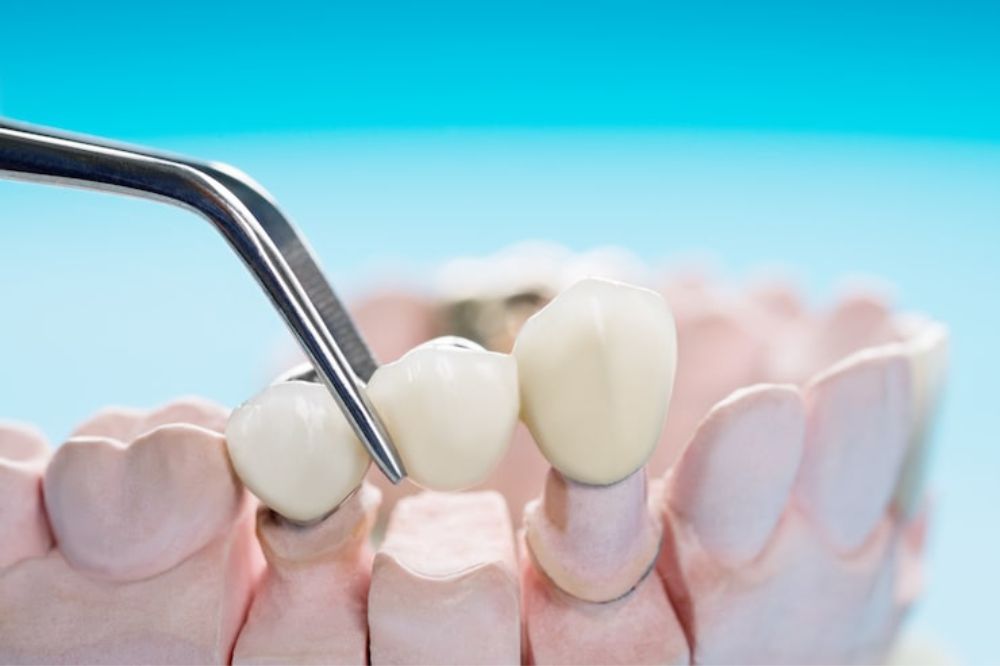
Missing teeth affect how you look, eat, and speak. If you have lost one or more teeth, dental bridges in Langley offer an effective solution. A dental bridge fills the gap where your tooth used to be. It looks natural and works like a real tooth. Understanding how bridges work helps you decide if this treatment is right for you.
What Are Dental Bridges?
A dental bridge is a false tooth that fills the space left by a missing tooth. The bridge connects to the teeth on either side of the gap. It literally bridges the empty space.
Your dentist custom-makes each bridge to match your natural teeth perfectly. Once placed, a bridge looks and works just like a real tooth.
Benefits of dental bridges include restoring your ability to eat and speak normally while improving your appearance.
Types of Dental Bridges
Several types of bridges are available for different situations.
- A traditional bridge is the most common type. Two crowns attach to the teeth next to the gap. A false tooth sits between them.
- A cantilever bridge works when there is a tooth on only one side of the gap. This bridge attaches to just one adjacent tooth.
- A Maryland bridge uses a framework bonded to the back of adjacent teeth. This requires less tooth preparation than traditional bridges.
- An implant-supported bridge uses dental implants instead of natural teeth for support. This is the strongest option but also the most expensive.
The Dental Bridge Process
Getting a bridge takes several appointments.
- Your dentist in Langley examines your teeth and discusses your options. They explain which bridge type is best for you.
- Your dentist prepares the teeth on either side of the gap. A small amount of enamel is removed to make room for crowns.
- Your dentist takes impressions of your mouth. These go to a laboratory where your custom bridge is made.
- A temporary bridge protects your prepared teeth while waiting for your permanent bridge. This takes about one to two weeks.
- When your permanent bridge arrives, your dentist removes the temporary one. Your new bridge is carefully bonded into place.
How Bridges Prevent Problems
A bridge does more than just fill a gap.
- Missing teeth cause your remaining teeth to shift. A bridge prevents this shifting by filling the space.
- Shifting teeth change your bite and cause problems with other teeth. A bridge stops these complications before they happen.
- Your remaining teeth stay stronger and healthier when your bite is balanced. A bridge protects your long-term dental health.
Long-Term Benefits of Bridges
Benefits of dental bridges extend far beyond just appearance.
- Your teeth function normally. You chew all types of food without difficulty.
- Your speech improves. Missing teeth affect how you pronounce words. A bridge restores clear speech.
- Your appearance improves dramatically. A complete smile makes you look younger and healthier.
- Your confidence returns. You smile freely without worrying about missing teeth.
Caring for Your Bridge
A bridge requires simple care to last many years.
- Brush gently around your bridge twice daily. Use a soft toothbrush and gentle pressure.
- Floss carefully under the bridge every day. Special floss threaders help you clean underneath.
- Avoid chewing on hard objects that could damage your bridge. Do not chew ice, hard candy, or your nails.
- Visit your dentist regularly for check-ups. Professional monitoring keeps your bridge healthy.
How Long Bridges Last
Most bridges last 10 to 15 years with proper care. Some last even longer.
Eventually, your bridge may need replacement. But it provides many years of function and beauty.
Taking care of your bridge extends its lifespan significantly. Good habits keep your bridge looking and working great.
Your Complete Smile Awaits Here at Township Dental Centre
A missing tooth does not have to affect your life. A dental bridge restores your smile quickly and effectively.
Our experienced team at Township Dental Centre manufactures beautiful bridges that look natural and function beautifully. We keep you comfortable throughout the process. Schedule your bridge consultation with us today and get your perfect smile.
Frequently Asked Questions
Q1. How long does it take to get a dental bridge?
The process takes about two weeks from start to finish. Your dentist prepares your teeth at the first appointment. Your permanent bridge is placed at the second appointment after the lab makes it.
Q2. Does getting a bridge hurt?
No—your teeth are numbed before preparation. You feel no pain during the procedure. You might feel pressure, but not pain.
Q3. Can I eat normally with a dental bridge?
Yes—once you adjust, you can eat most foods normally. Avoid very hard or sticky foods that could damage your bridge. Most people eat comfortably with their bridge.
Q4. How do I clean under my bridge?
Use special floss called a threader or a water flosser. Your dentist shows you the proper technique. Cleaning under your bridge prevents decay underneath.
Q5. What if my bridge breaks or falls out?
Contact your dentist right away. They can repair or replace it. Do not attempt to fix it yourself. Keep the bridge safe until you see your dentist.